


Future Macroeconomic Challenges and Opportunities
The Constantly Changing Dynamics of the Global Economy
The global economy currently operates in a landscape full of uncertainty, influenced by geopolitical conflicts, changes in monetary policies in developed countries, and slowing global growth. These conditions contribute to the future macroeconomic challenges and opportunities for many developing countries, including Indonesia, which must adapt to external pressures without sacrificing domestic stability. Dependence on global trade and investment flows requires macroeconomic policies to be increasingly responsive, measured, and able to predict the direction of global changes to avoid being left behind in increasingly fierce international competition.
Conversely, global change also creates room for more flexible policy adjustments. As countries begin to restructure supply chains, opportunities arise for domestic economies to play a greater role in regional production and distribution. Future macroeconomic challenges and opportunities are clearly reflected in the ability of governments and businesses to capitalize on this momentum to strengthen national economic structures, reduce dependence on imports, and sustainably boost the added value of domestic industries.
Inflationary Pressure and Public Purchasing Power
Inflation remains a key issue in macroeconomic discussions because its impact is directly felt by the wider community. Rising prices for basic necessities, energy, and public services have the potential to depress household consumption, which has historically been a mainstay of economic growth. In the context of Future Macroeconomic Challenges and Opportunities, controlling inflation is not only about price stability, but also maintaining public trust in the economic policies implemented by the government and monetary authorities.
However, inflationary pressures also provide room for evaluation of the distribution structure and efficiency of the domestic market. When inflation can be controlled through improved logistics, strengthened local production, and targeted pricing policies, purchasing power has the potential to gradually recover. Future Macroeconomic Challenges and Opportunities lie in consistent policies that are not only reactive to price fluctuations but also preventive in building medium-term economic resilience.
Exchange Rate Stability and Capital Flows
Exchange rate movements are an important indicator in assessing market confidence in the national economy. Rupiah fluctuations are often influenced by global capital flows, investor sentiment, and international interest rate policies. In the context of Future Macroeconomic Challenges and Opportunities, maintaining exchange rate stability is crucial for businesses to have certainty in cost and investment planning, especially for sectors dependent on imported raw materials.
This stability depends not only on monetary intervention but also on strong economic fundamentals. Strengthening foreign exchange reserves, managing the trade balance, and increasing value-added exports are supporting factors. Future macroeconomic challenges and opportunities will become more apparent when exchange rate policy aligns with the national industrialization strategy, which fosters economic resilience from both external and internal perspectives.
The Role of Monetary and Fiscal Policy
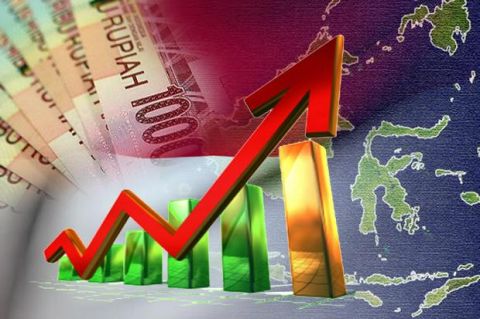
Coordination between monetary and fiscal policies is key to maintaining national economic balance. The benchmark interest rate, fiscal stimulus, and state budget management must complement each other to avoid canceling out each other’s impact. Within the framework of Future Macroeconomic Challenges and Opportunities, this synergy is crucial for maintaining growth without triggering inflationary pressures or excessively widening the fiscal deficit.
Well-targeted fiscal policy can strengthen economic resilience amidst global uncertainty. State spending focused on productive infrastructure, social protection, and human resource development creates a multiplier effect for the economy. Future Macroeconomic Challenges and Opportunities increasingly depend on the government’s ability to manage fiscal space wisely, as discussed extensively in national economic reports and analyses published by kompas.id, which serve as a reference for current policies and conditions.
Transformation of the National Economic Structure
Economic transformation is a crucial agenda in facing changing times and global competition. The transition from a commodity-based economy to high-value-added industries is a key focus. Within the context of Future Macroeconomic Challenges and Opportunities, this transformation requires long-term policy support, regulatory certainty, and improved human resource quality to compete regionally and globally.
Read also: Food Distribution in the Spotlight in the Region
Amidst this transformation process, the need for an adaptive and inclusive economic ecosystem has emerged. The business world, MSMEs, and the digital sector are beginning to play a larger role in the national economic cycle. In discussions of Future Macroeconomic Challenges and Opportunities, many parties have begun to highlight the importance of access to information and broader economic opportunities. As the digital ecosystem develops, terms such as Link Ampm Win frequently emerge in modern economic discourse as part of the dynamic use of platforms and networks in increasingly connected economic activities.
Economic Growth and Resilience Prospects
Going forward, economic growth prospects depend heavily on the country’s ability to build resilience to external shocks. This resilience includes a healthy financial sector, a strong banking system, and anticipatory macroeconomic policies. Within the framework of Future Macroeconomic Challenges and Opportunities, stability is the primary foundation to ensure that growth is not temporary but sustainable and inclusive.
Furthermore, optimism for growth is also driven by substantial domestic potential, from the demographic bonus to a vast consumer market. Future macroeconomic challenges and opportunities will become more apparent when this potential is optimally managed through consistent, transparent, and long-term-oriented policies, so that the national economy can survive and thrive amidst ever-changing global dynamics.