



Reasons for the Rupiah’s Weakening Value
The Impact of the Strengthening US Dollar
The weakening of the Rupiah is often attributed to the recent strengthening of the US economy, which has seen the dollar strengthen. When the US Federal Reserve raised interest rates, many global investors preferred to hold their assets in dollars, considering them safer and offering more stable returns. This situation led to a sharp increase in demand for dollars in international markets. This impact was felt directly on various developing country currencies, including the rupiah, which ultimately experienced significant pressure in international trade and domestic financial markets.
Unstable global conditions also exacerbated the weakening of the Rupiah, as investors tended to shift funds from developing countries to assets perceived as lower risk. The outflow of foreign capital from Indonesia limited the domestic dollar supply while the demand for dollars continued to increase. Many companies needed dollars for imports and foreign debt payments. This imbalance caused the rupiah exchange rate to depreciate, impacting the prices of various daily necessities.
Foreign Capital Outflow from Indonesia
The weakening of the Rupiah also stemmed from the outflow of foreign investment from the Indonesian stock and bond markets. When global economic conditions are uncertain, global investors are more cautious about where they invest. Many investors choose to withdraw assets from developing countries to reduce the risk of loss. This situation affects the stability of national financial markets because the amount of dollar outflows exceeds the amount of dollar inflows. This situation puts additional pressure on the rupiah, which ultimately continues to weaken in foreign exchange trading.
Besides being influenced by global conditions, the weakening of the rupiah also stems from investor concerns about the domestic economic situation. When economic growth is perceived as slowing or fiscal conditions are deemed weak, market confidence can decline. Foreign investors typically pay close attention to economic stability before making large investments. If confidence begins to decline, investment flows will gradually decrease. The impact is not only felt on the rupiah’s value but also affects stock market movements and business activity across various sectors of the national economy.
High Domestic Import Demand
The weakening of the rupiah is inextricably linked to Indonesia’s high annual import activity. Many national industries still rely on raw materials and products from abroad, which must be paid for in US dollars. When demand for dollars increases for imports, the rupiah’s exchange rate becomes increasingly depressed. This situation typically occurs in the energy, technology, and manufacturing sectors, which require supplies of goods from abroad to maintain smooth production processes.
The large import of consumer goods is also a factor in the weakening of the rupiah, as Indonesians remain highly dependent on foreign products. When imports increase, the demand for dollars automatically increases, putting significant pressure on the foreign exchange market. Several international economic reports reviewed by bbc.com indicate that developing countries tend to face the risk of currency depreciation when import dependence remains high. This situation makes the rupiah more sensitive to changes in the global economy and fluctuations in global commodity prices.
The Impact of Global Economic Uncertainty
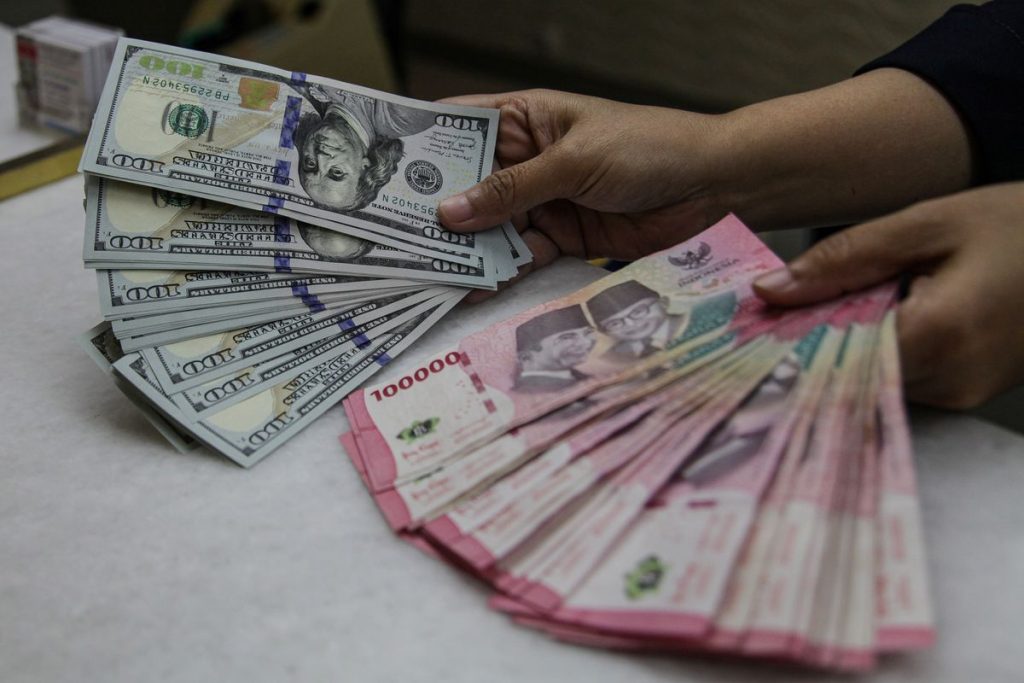
The causes of the Rupiah’s weakening are increasingly apparent when the global economy is in a phase of uncertainty. Geopolitical conflicts, trade wars, and energy crises often trigger concerns among international investors. In such situations, many market players choose assets considered safe havens such as the US dollar and gold. As a result, developing country currencies, including the rupiah, experience significant pressure. Global uncertainty creates unstable investment flows, forcing the Indonesian financial market to face significant challenges in maintaining a stable exchange rate.
Fluctuations in global oil prices are also a significant factor in the Rupiah’s weakening because Indonesia still relies on energy imports from abroad. When oil prices rise, the need for dollars to purchase energy becomes greater than before. This situation increases pressure on foreign exchange reserves and the rupiah exchange rate. Furthermore, rising energy prices also impact domestic inflation, increasing production costs in various sectors. The combination of inflation and dollar pressure further complicates the national economic situation.
The Role of Central Bank Interest Rates
The causes of the Rupiah’s weakening are often related to the interest rate policies implemented by central banks in various major countries. When US interest rates rise higher than those in developing countries, global investors are more interested in holding their funds in dollars. This situation reduces capital flows to Indonesia. The rupiah ultimately comes under pressure due to a sharp increase in demand for dollars. International monetary policy significantly influences the movement of currencies in developing countries on the global market.
Read also: Anthony Ginting Shows New Spirit After Long Absence
On the other hand, the weakening of the rupiah is also influenced by Bank Indonesia’s efforts to maintain national economic stability. If domestic interest rates are not attractive enough for investors, foreign capital flows will more easily flow to other countries offering higher returns. The central bank typically has to make a difficult decision between maintaining economic growth or maintaining exchange rate stability. This policy is a crucial factor that market players and international investors pay close attention to when determining their investment direction.
The Impact of the Rupiah’s Weakening on Society
The causes of the Rupiah’s weakening ultimately have a direct impact on people’s daily lives. Imported goods become more expensive because the cost of purchasing from abroad increases due to the strengthening dollar. Electronic products, fuel, and even industrial needs experience gradual price increases. This condition affects people’s purchasing power as the cost of living increases. Many businesses have also had to adjust their product prices to cover rising production costs amidst the unstable economic climate.
Besides impacting the price of goods, the weakening rupiah has also impacted the travel and education sectors. Tuition fees, international travel, and payments for foreign digital services have become more expensive than before. People with dollar-denominated payments are undoubtedly experiencing greater financial pressure. This situation has led many to become more cautious in managing their spending and investments. The weakening rupiah is not only a macroeconomic issue but also has a significant impact on people’s daily activities across various aspects of life.
One thought on “Reasons for the Rupiah’s Weakening Value”
Comments are closed.